The Caribbean is built for kitesurfing. Warm water you never need a wetsuit for, side-shore trade winds that blow for months on end, and enough islands that you could spend a whole winter hopping between them and never run out of turquoise flats. The engine is the same everywhere: the northeast trades, reinforced through winter and spring by the high-pressure systems riders call the Christmas Winds, which is why the season here runs almost exactly opposite to Europe's. That makes the region a perfect cold-month escape, and the wind tends to be steady and side-shore rather than gusty, so it suits everyone from a first-timer to a freestyle obsessive. If you are planning around the calendar, our best winter kitesurf destinations roundup casts a wider net beyond the islands. These are the six Caribbean spots we would send a friend to, from party-town hubs to empty postcard flats.
Cabarete, Dominican Republic
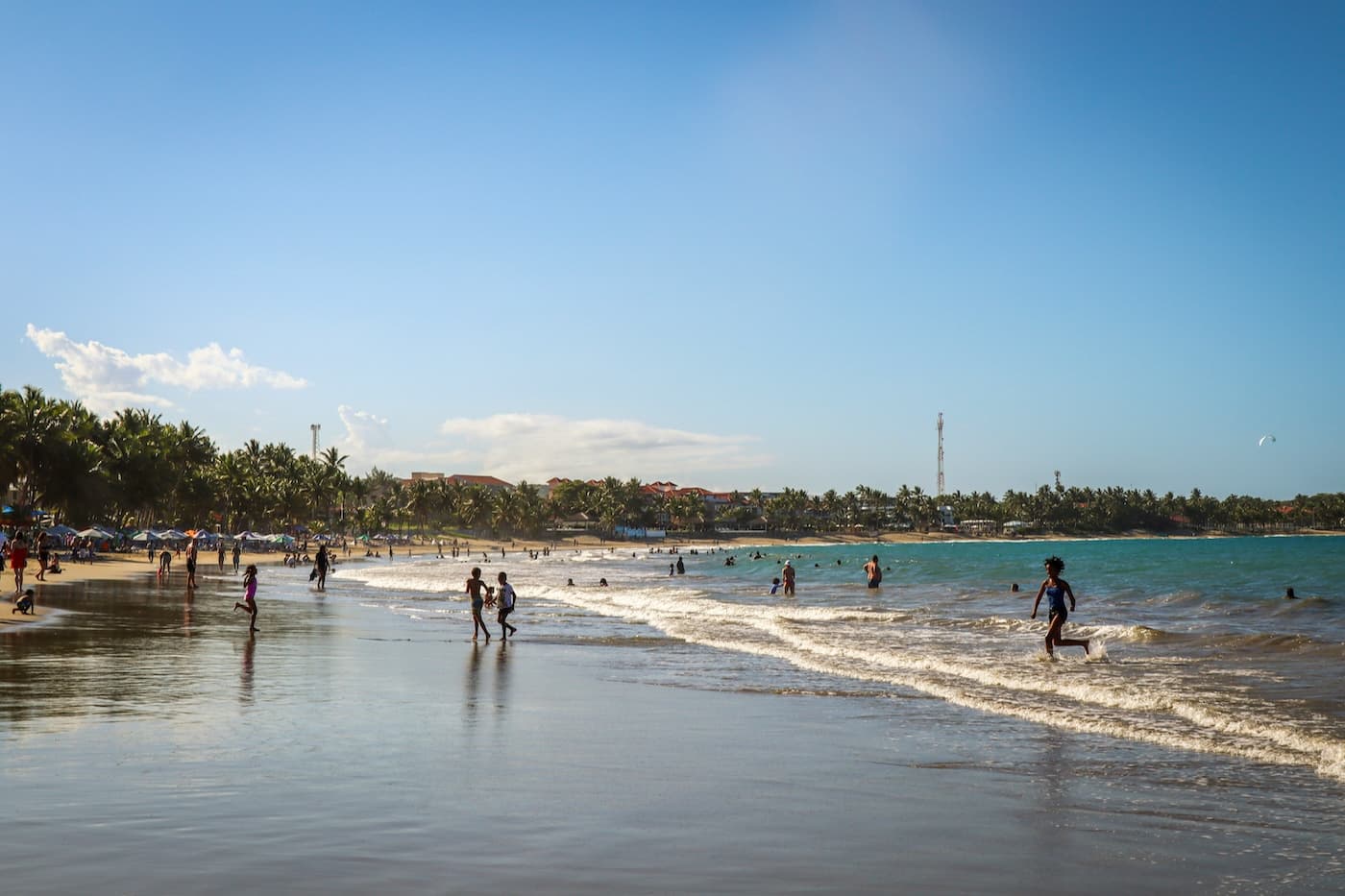
The island that turned the Caribbean into a kite destination. Cabarete's bay is flatter and protected on the inside and opens to waves beyond, and an afternoon thermal stacks onto the trades to deliver dependable, punchy wind, strongest from roughly June to September and workable much of the year. Mornings are often calm and best kept for a surf or a lie-in; the wind fills in after lunch like clockwork. Add the densest school scene in the region, easy flights from North America and Europe, and a town that stays up late, and it is the natural first stop. See the Cabarete guide and the live forecast.
Lac Bay, Bonaire
Bonaire's Lac Bay is a shallow, flat, impossibly turquoise lagoon that fills with steady trade wind for most of the year, strongest from December to August. You can stand across much of it, which makes it a dream for progression, yet the same flat water has raised a generation of freestyle world-tour riders. Downwind the lagoon deepens toward the mangroves, so schools keep beginners on the shallow inside where a walk back upwind is always an option. Warm, sunny, and low-key, with a single strip of bars and dive shops, it is the Caribbean at its most relaxed. Check the Lac Bay forecast and plan around the reliable trade season.
Hadicurari, Aruba
Aruba is one of the windiest islands in the Caribbean, and Hadicurari, better known as Fisherman's Huts, is its beating heart: relentless side-onshore trades, flatter water inside the reef, and a freestyle pedigree that has hosted world-tour events on the strength of that constant wind. From May through August it blows hard almost every day, often into the high twenties in knots, which is why the constant-wind crowd loves it and beginners still find plenty of schools on the beach. See the Hadicurari forecast and pack your smaller kites for the windy season.
Union Island, Grenadines
For the postcard version of Caribbean kiting, head to the Grenadines. Off Union Island, the shallow flats around Frigate Island turn into a vast, waist-deep sheet of turquoise under steady Christmas-season trades, ringed by uninhabited cays you reach by boat. It is remote, warm, and blissfully quiet, the antidote to the busier hubs, and it works best from roughly December to June. Bring everything you might need, because services are limited, and that is precisely the appeal. Check the Union Island forecast before you plan the trip out.
Silver Sands, Barbados
Barbados catches the open Atlantic trades on its southern tip, and Silver Sands is where they land: strong, steady wind and a reef break offshore that serves up bump-and-jump close in and real waves further out for the confident. The season leans to winter and spring, December to June, the water is warm, and the vibe is more surf-town than resort, with a tight local scene. It is a step livelier than the lagoon spots, so it suits riders who are past their first week and want a bit of swell to play with. See the Silver Sands forecast.
Jabberwock Beach, Antigua
Antigua's kite beach is a mellow, reef-protected stretch on the northeast coast where the trades blow side-shore over flat-to-choppy water. It is friendlier and quieter than the powerhouse islands, warm year-round, and works through the long trade-wind season from late autumn into summer, with the reef knocking down the swell so the inside stays manageable. With more than a beach for every day of the year on the island, it is an easy spot to build a relaxed first Caribbean trip around. Check the Jabberwock Beach forecast and use it as a laid-back base.
How to choose
Want schools, nightlife, and a sure thing? Cabarete. Flat water to progress on? Lac Bay or Union Island. Constant, sporty wind for freestyle? Hadicurari. A bit of wave and edge? Silver Sands. Somewhere quiet to switch off? Jabberwock. The trade winds tie them all together, blowing most reliably from roughly December to June, so the Caribbean peaks exactly when Europe is cold and grey. Sort a school on the island if it is new to you, pack a range of kite sizes for the gustier islands, and check the live forecast the week before you fly so you land on the wind rather than a lull.