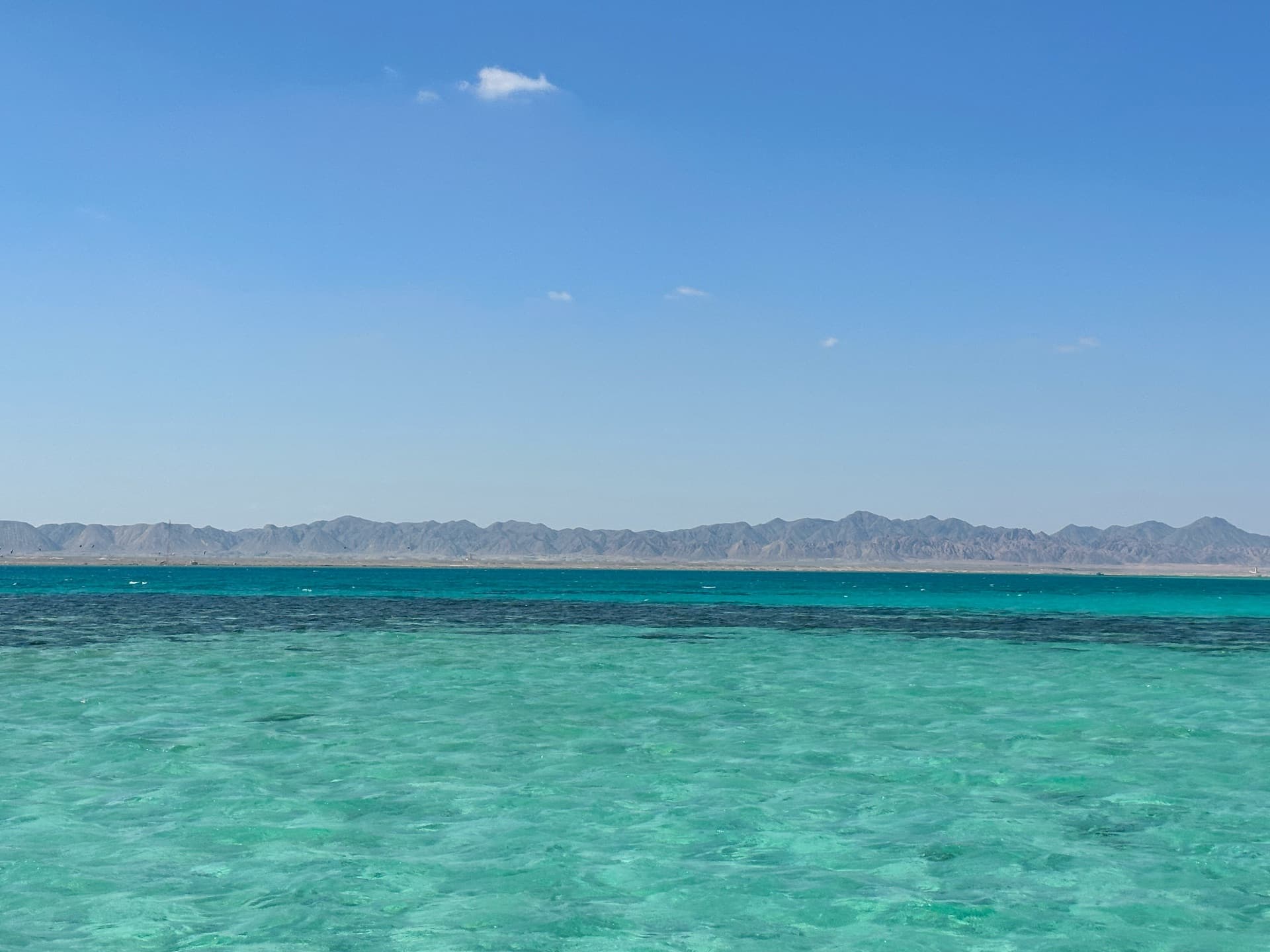
Learning to kitesurf is mostly a hunt for the right conditions. Give a beginner steady wind, water they can stand up in, and room to make mistakes, and progress comes fast. Put the same person on a gusty, deep, crowded beach and the week ends in bruises and a bigger rental bill. The spots below are picked for the things that actually matter in your first days on a kite: wind you can set your watch by (thermals and trade winds, not the stop-start gusts of passing weather fronts), shallow flat water where a blown water-start just means standing up and trying again, space, warm-enough water, and a dense scene of schools with proper gear and rescue boats. If it is butter-flat water specifically you are after, our best flat-water spots guide goes deeper on that. This list is about where to actually book your first kite trip.
Lo Stagnone, Sicily
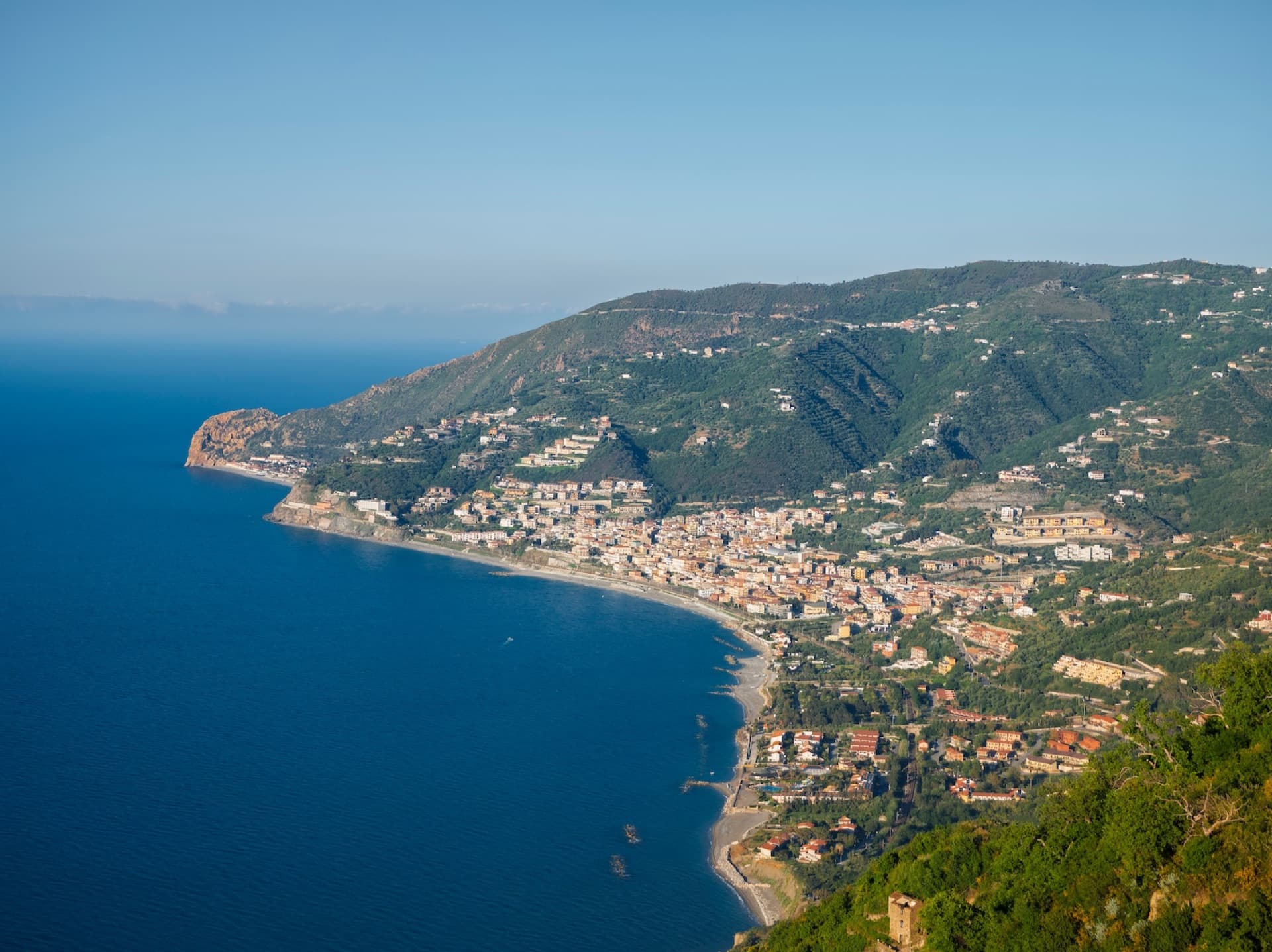
The closest thing Europe has to a purpose-built beginner spot. Lo Stagnone is a huge, shallow lagoon between Marsala and a chain of low islands: waist-deep for hundreds of metres, no waves, and a thermal breeze that switches on most summer afternoons like clockwork. You can walk out, blow a water-start, and simply stand up to reset, which is exactly what makes the curve so gentle here. The schools cluster along the lagoon shore with rescue boats and rental gear, and it is a short flight from almost anywhere in Europe. Full detail in the Lo Stagnone guide, or check conditions now.
El Gouna, Egypt
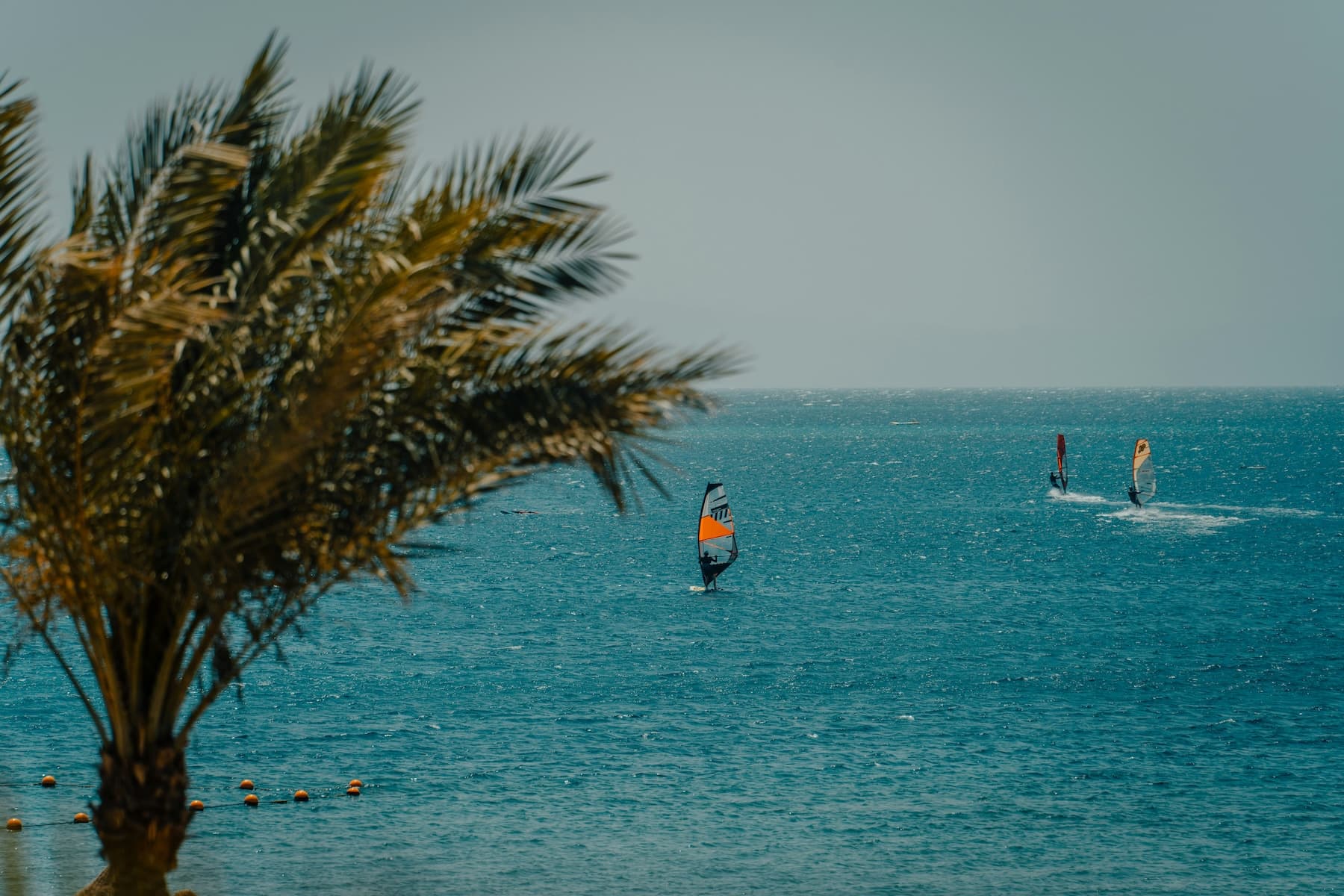
If you want reliability in winter, the Red Sea is hard to beat. El Gouna sits on a run of flat, shallow lagoons with a steady, thermally reinforced breeze through most of the season, warm water, and sunshine you can more or less assume. It is a beginner factory for a reason: dozens of schools and centres, all-inclusive resorts, downwind trips, and standing-depth areas that take the fear out of the early days. Spring to autumn brings the most wind; the shoulder months stay warm and friendly for a first course. See the El Gouna guide and the live forecast.
Dakhla, Morocco
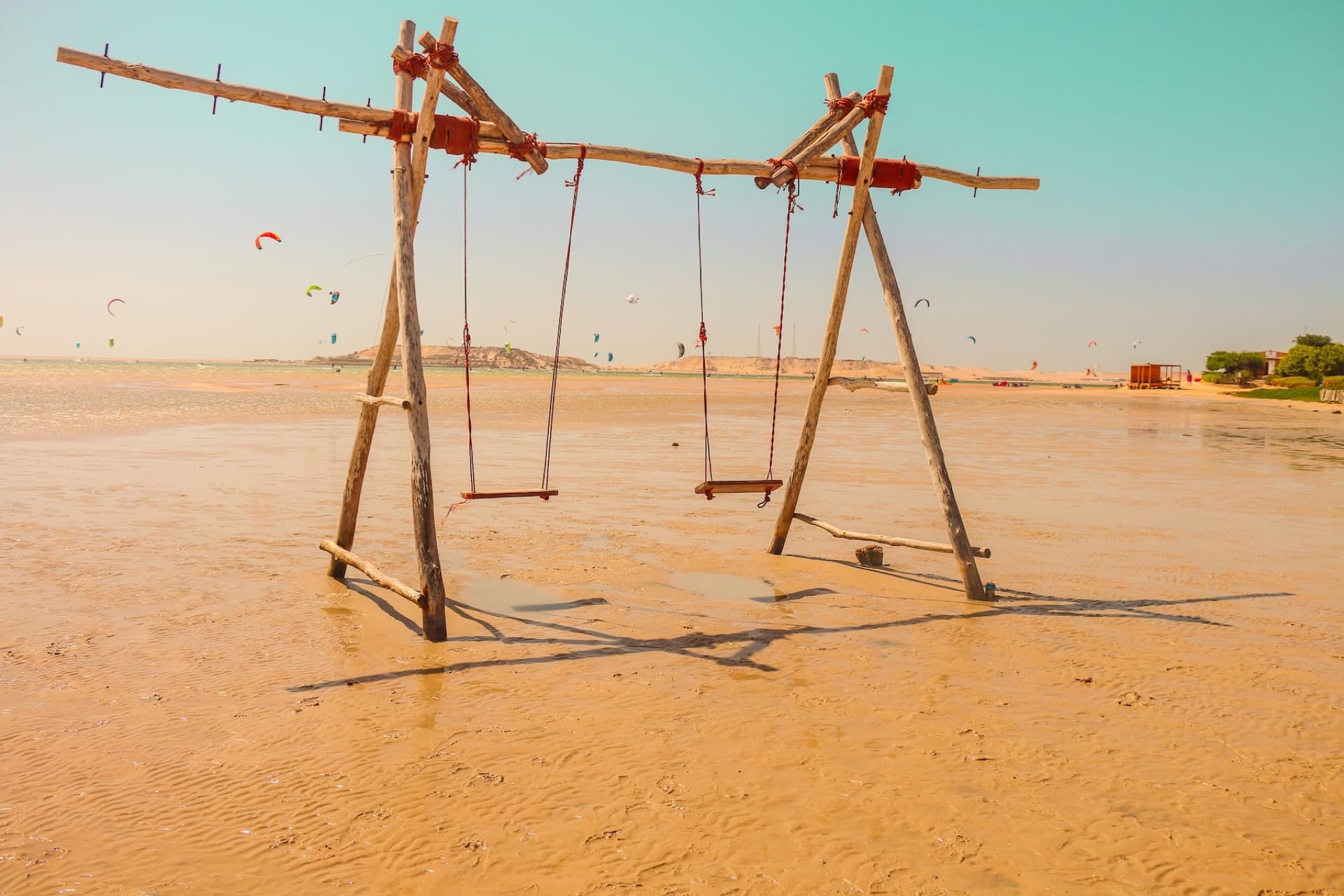
Dakhla is where you go when you cannot afford to gamble on wind. A long lagoon on the edge of the Sahara, it catches near-relentless northeast trades, so blank days are rare, and for a beginner that means every day of the trip counts. The lagoon is flat and shallow with a firm sand bottom, the camps sit right on the water with schools and equipment on site, and the whole place is built around progression weeks. The one catch: Atlantic upwelling keeps the water cool, so pack a proper wetsuit. Read the Dakhla guide or see live wind.
Kalpitiya, Sri Lanka
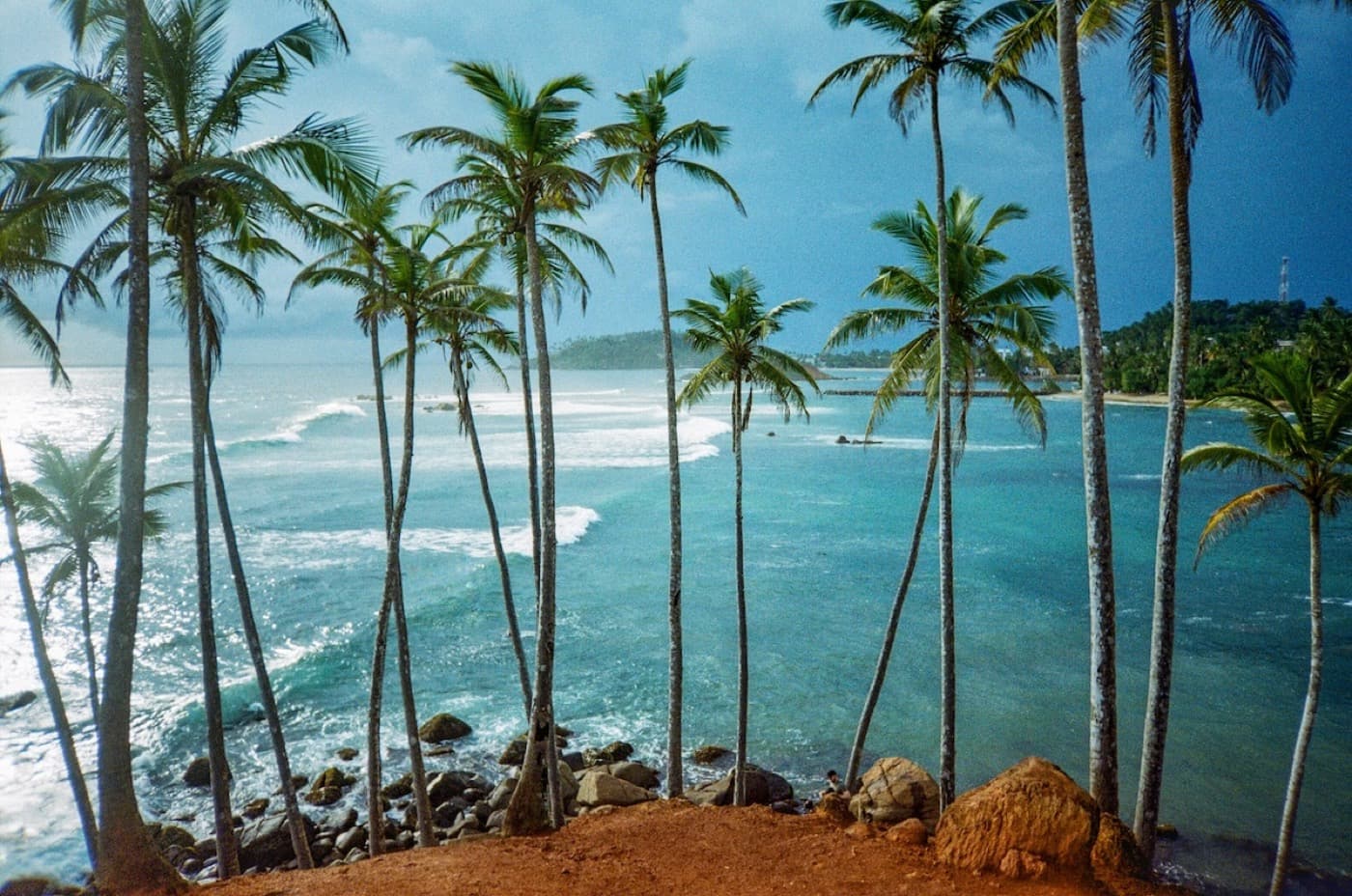
For a first trip that stays cheap and uncrowded, Kalpitiya is the pick. The area is a maze of shallow lagoons and sandbars on Sri Lanka's northwest coast, with two long trade-wind seasons and warm water that rarely needs more than a shorty. The main lagoon is flat, waist-deep, and quiet next to the European and Egyptian hubs, so you get space to learn without a crowd of experts buzzing past. A growing village of schools and camps handles gear and downwinders into the backwaters. The Kalpitiya guide has the seasons; live data sits on the lagoon forecast.
Paje, Zanzibar
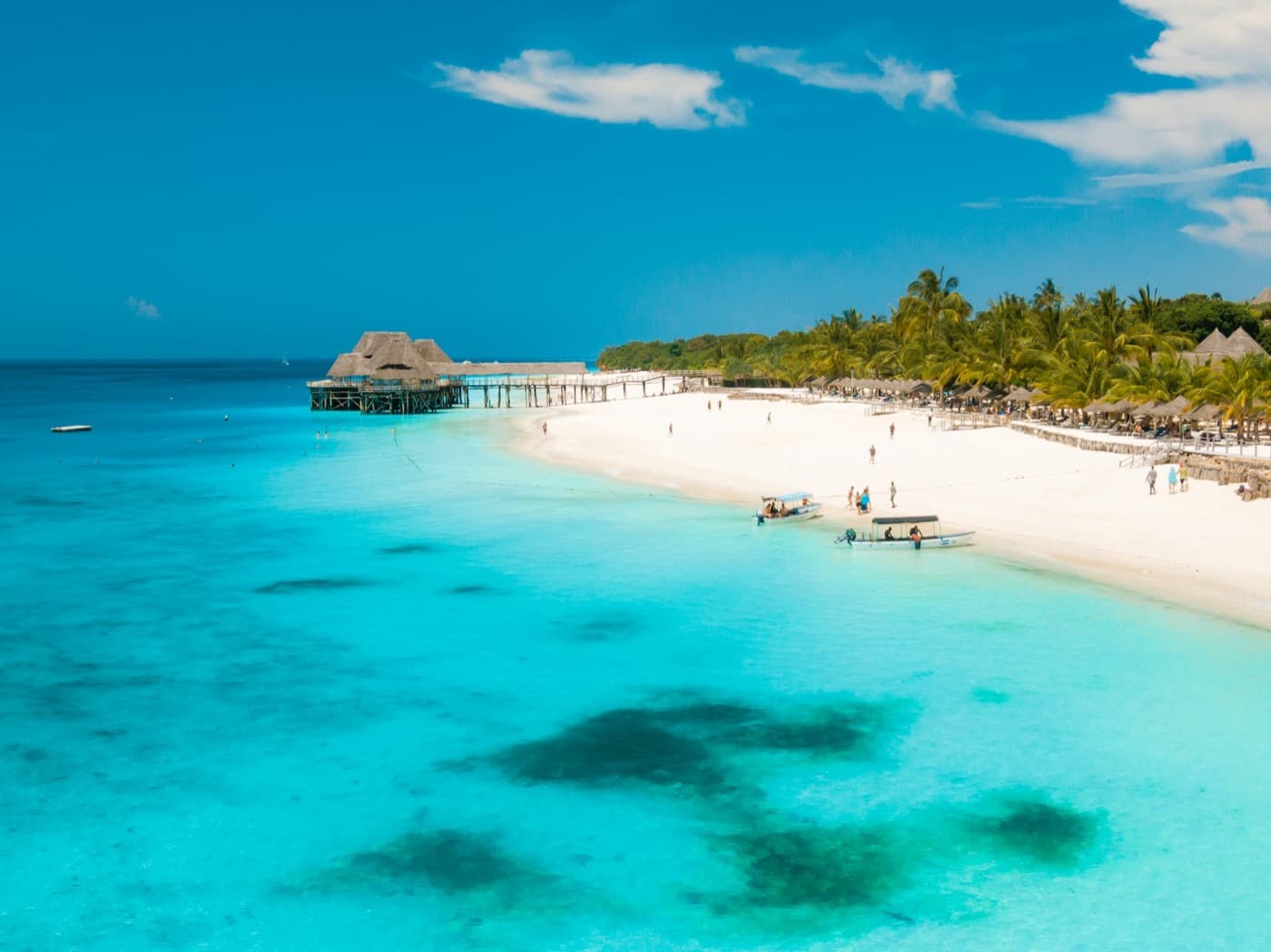
Zanzibar's kite heart is Paje, a wide white-sand beach where a turquoise lagoon fills and empties with the tide. At low to mid tide it becomes an enormous flat, waist-deep playground, warm year-round with no wetsuit, backed by a buzzing strip of schools and beach bars. Two trade-wind seasons keep it working much of the year: the Kaskazi from roughly December to March, and the stronger Kusi from about June to September. Sessions here follow the tide chart rather than the clock, a small quirk to plan around but easy once you know it. See the Zanzibar guide and the Paje forecast.
Cabarete, Dominican Republic
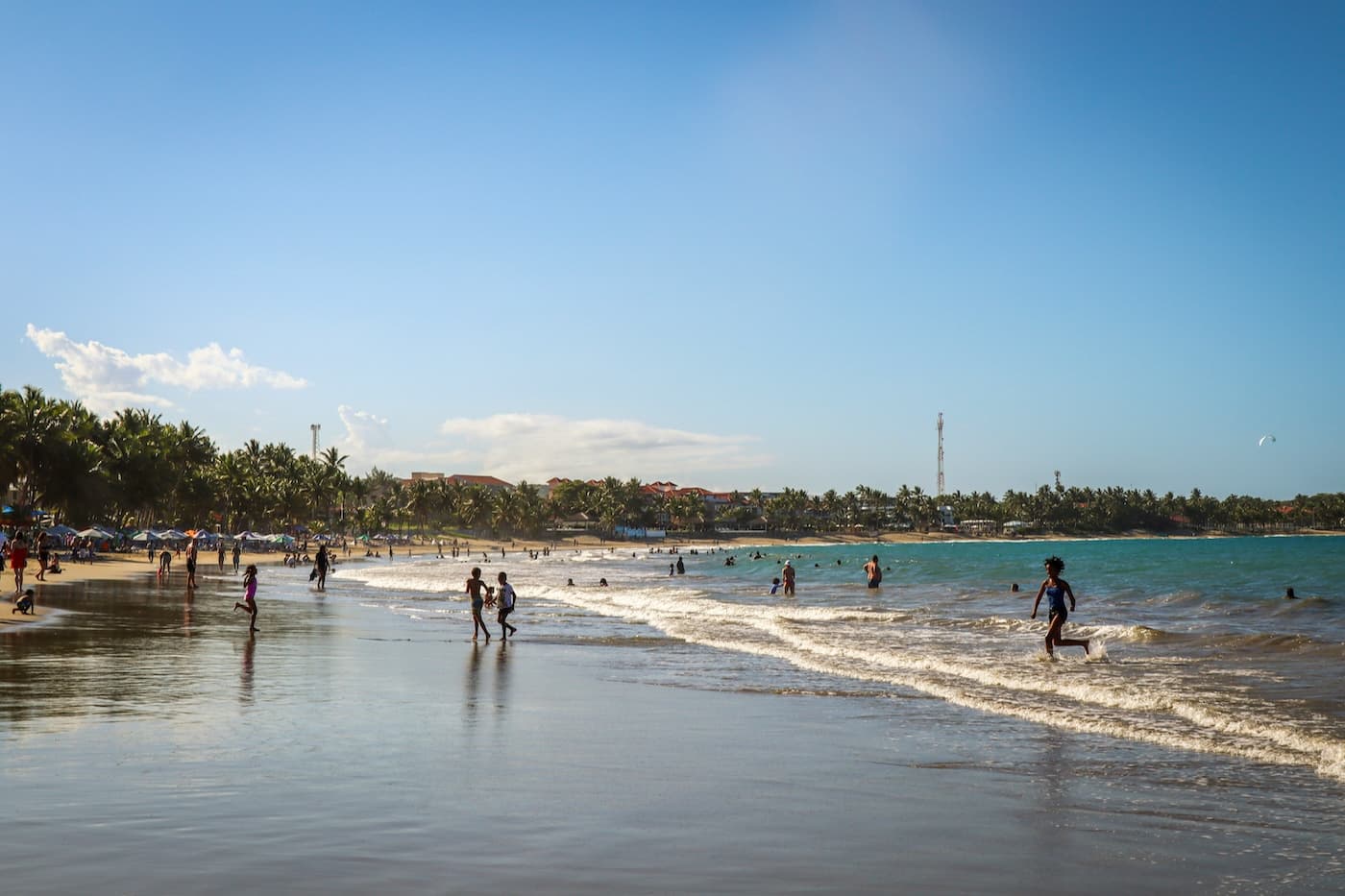
The Caribbean's original learn-to-kite town, Cabarete pairs a thermal that builds through the afternoon with a bay that is flatter and protected on the inside, open beyond. The wind leans strong and dependable in the main season, so it suits a beginner who is past the very first day and ready to log hours, and the density of schools makes lessons, rental, and rescue easy to sort. Off the water it is the liveliest town on this list, which for plenty of people is half the reason to go. The Cabarete guide has the details; check the live forecast.
How to choose
Short on time and based in Europe? Lo Stagnone is the easy answer. Chasing winter sun? El Gouna, or Zanzibar and Kalpitiya if you want something quieter and further afield. Want a near-guarantee that the wind shows up? Dakhla, with a wetsuit in the bag. Whichever you pick, the recipe for a good learner spot is the same everywhere: steady wind, shallow water, room, and a school you trust. Book a course rather than winging it, find a school at your destination, make sure the right kite sizes are on the menu, and check the live forecast the week before you fly. The wind does the teaching. You just have to show up where it is reliable.